Art has the power to transcend boundaries, connect people across cultures, and inspire profound emotions. However, for many individuals, barriers such as physical limitations, socioeconomic factors, and institutional norms can limit access to art and deprive them of the enriching experience it offers. In this article, we explore the significance of accessible art for all and the ways in which we can break down barriers to ensure that everyone has the opportunity to engage with and appreciate art.
The Power of Art: A Universal Language
Art is a universal language that speaks to the human experience, transcending linguistic, cultural, and geographical differences. Whether it’s a painting, sculpture, photograph, or performance, art has the ability to evoke emotions, provoke thought, and foster connections between individuals from diverse backgrounds.
For many people, experiencing art can be a transformative and deeply personal journey, offering solace, inspiration, and a sense of belonging. However, when barriers such as physical disabilities, financial constraints, or lack of access to cultural institutions prevent individuals from engaging with art, they are denied the opportunity to reap its benefits and participate fully in cultural life.
Breaking Down Physical Barriers
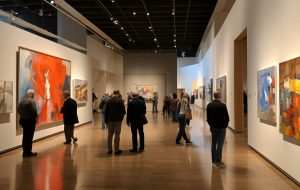
One of the most immediate barriers to accessing art is physical accessibility. Many cultural institutions, such as museums, galleries, and performance venues, are not adequately equipped to accommodate individuals with disabilities, limiting their ability to enjoy art exhibitions, performances, and other cultural events.
To address this issue, it’s essential for cultural institutions to invest in making their spaces more accessible to people with disabilities. This may involve installing ramps, elevators, and wheelchair-accessible facilities, as well as providing audio guides, Braille signage, and other resources to enhance the experience for visitors with visual or hearing impairments.
Additionally, digital technologies offer new opportunities for making art more accessible to people with disabilities. Virtual tours, online exhibitions, and digital archives enable individuals to explore artworks from the comfort of their homes, regardless of physical limitations.
Overcoming Socioeconomic Barriers
Another significant barrier to accessing art is socioeconomic inequality. Many people, particularly those from low-income communities, may lack the financial resources to visit museums, attend cultural events, or purchase artwork. As a result, they are excluded from participating in the cultural life of their communities and miss out on the educational and inspirational benefits of engaging with art.
To make art more accessible to all, it’s important for cultural institutions to adopt inclusive pricing policies, offering free or discounted admission to individuals from underserved communities. Outreach programs, educational initiatives, and community partnerships can also help to bring art to people in schools, community centres, and other public spaces where they are more likely to encounter it.
Furthermore, supporting local artists and cultural organizations from diverse backgrounds can help to democratize the art world and ensure that a wider range of voices and perspectives are represented in the cultural landscape.
Cultivating Inclusive Spaces
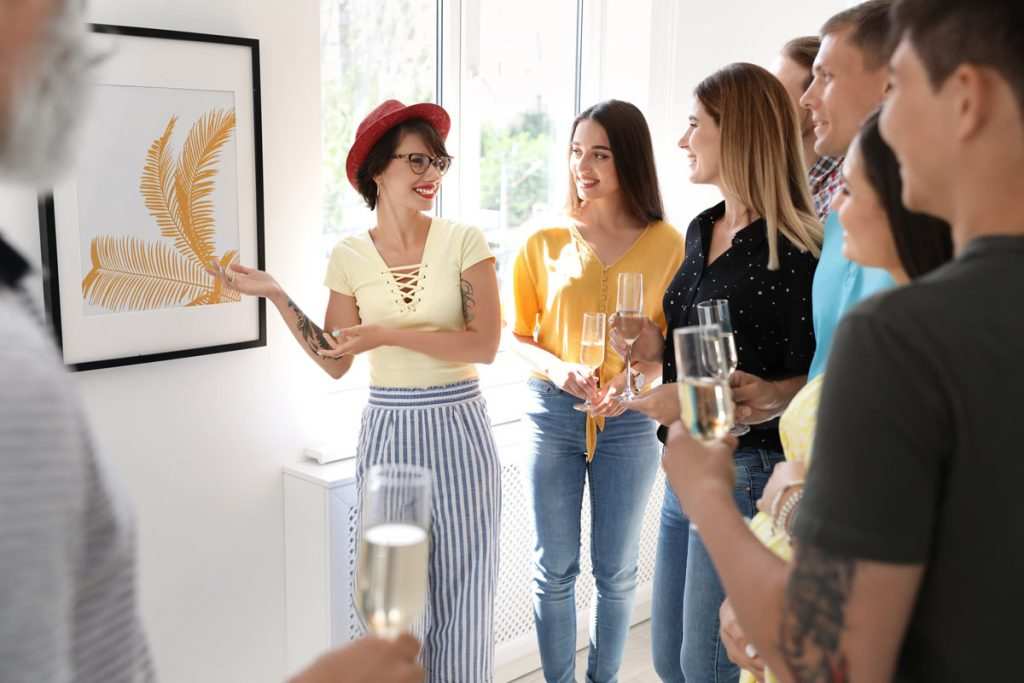
In addition to addressing physical and socioeconomic barriers, it’s crucial for cultural institutions to cultivate inclusive and welcoming spaces where people from all walks of life feel comfortable and valued. This means actively promoting diversity, equity, and inclusion in programming, staffing, and community engagement efforts.
By embracing diversity and celebrating the unique experiences and perspectives of all individuals, cultural institutions can create environments where people feel empowered to explore, create, and connect through art. This not only enriches the cultural life of communities but also fosters a more inclusive and equitable society.
Conclusion
Art has the power to inspire, educate, and unite people from all backgrounds, but too often, barriers such as physical limitations, socioeconomic inequality, and institutional norms prevent individuals from accessing and participating in the cultural life of their communities. By breaking down these barriers and making art more accessible to all, we can create a more inclusive and equitable society where everyone has the opportunity to engage with and appreciate the transformative power of art. Through collaborative efforts and a commitment to diversity, equity, and inclusion, we can ensure that art truly belongs to everyone.