Curating an art exhibition is a multifaceted and intricate process that involves careful planning, curation, and execution. From selecting artworks to designing the layout of the gallery space, curators play a pivotal role in shaping the narrative and aesthetic experience of an exhibition. In this article, we take a behind-the-scenes look at the journey from studio to gallery, exploring the intricacies of curating art exhibitions and the dedication and creativity required to bring them to life.
Understanding the Curatorial Process
Curating an art exhibition begins with a clear understanding of the curatorial vision and objectives. Whether it’s showcasing the work of emerging artists, exploring a specific theme or artistic movement, or presenting a retrospective of a renowned artist’s career, curators must define the overarching concept and narrative of the exhibition.
This involves conducting research, selecting artworks, and developing a cohesive storyline that guides visitors through the exhibition space. Curators often collaborate with artists, collectors, gallery owners, and other stakeholders to ensure that the exhibition aligns with their vision and goals.
Selecting Artworks
Central to the curatorial process is the selection of artworks that will be featured in the exhibition. Curators carefully review submissions, proposals, or portfolios from artists, considering factors such as artistic quality, relevance to the exhibition theme, and diversity of perspectives and styles.
The selection process may involve reviewing hundreds or even thousands of artworks, and evaluating each piece based on its conceptual depth, technical skill, and emotional resonance. Curators strive to create a balanced and dynamic exhibition that engages viewers and sparks dialogue and reflection.
Creating a Narrative
Once the artworks have been selected, curators work to create a cohesive narrative that ties the exhibition together. This involves organizing the artworks into thematic groupings, arranging them in a logical sequence, and establishing connections and contrasts between individual pieces.
The curatorial narrative serves as a guiding framework that helps visitors navigate the exhibition space and interpret the artworks within their broader context. Through careful curation and storytelling, curators aim to evoke emotions, provoke thought, and foster meaningful connections between viewers and the art on display.
Designing the Exhibition Space
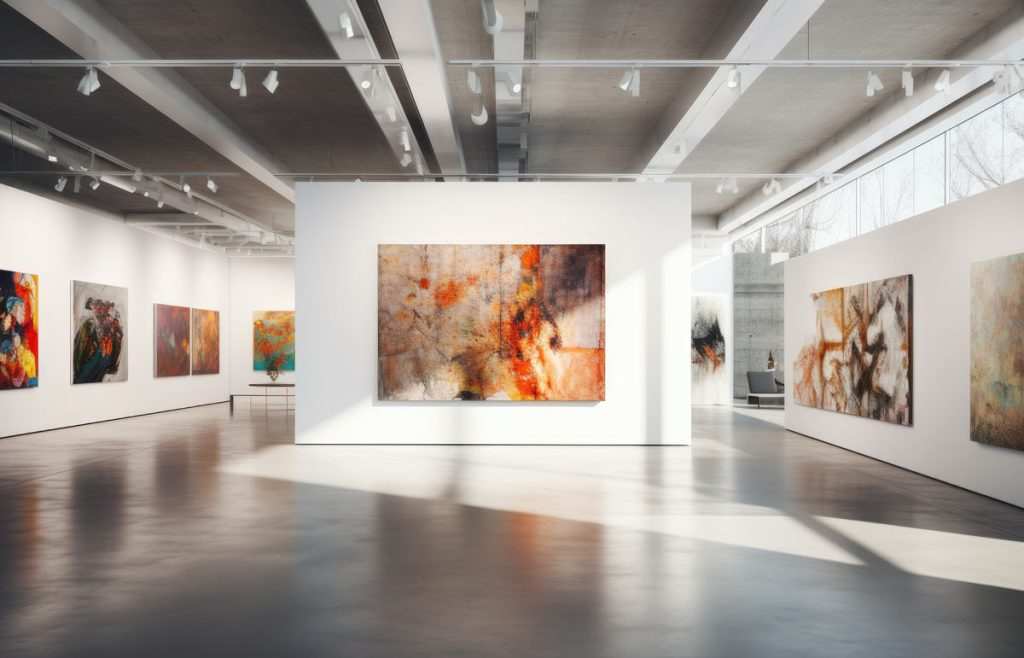
The design of the exhibition space is another critical aspect of curating art exhibitions. Curators work closely with gallery owners, exhibition designers, and installation technicians to create a visually compelling and immersive experience for visitors.
This may involve designing the layout of the gallery space, selecting lighting and display fixtures, and arranging furniture and signage. Curators also consider factors such as traffic flow, sightlines, and accessibility to ensure that the exhibition is welcoming and engaging for all visitors.
Promotion and Outreach
In addition to curating the exhibition itself, curators are responsible for promoting and marketing the event to attract visitors and generate interest. This may involve creating promotional materials such as press releases, brochures, and social media posts, as well as reaching out to local media outlets, influencers, and community organizations.
Curators also organize special events such as artist talks, panel discussions, and workshops to enhance the visitor experience and foster engagement with the exhibition. By leveraging various marketing channels and strategies, curators strive to maximize attendance and visibility for the exhibition.
Conclusion
Curating art exhibitions is a complex and rewarding endeavour that requires creativity, vision, and attention to detail. From selecting artworks to designing the exhibition space and promoting the event, curators play a central role in shaping the cultural landscape and enriching the artistic experience for audiences around the world. By offering a behind-the-scenes look at the curatorial process, we gain a deeper appreciation for the dedication and expertise of curators and the transformative power of art to inspire, educate, and unite communities.